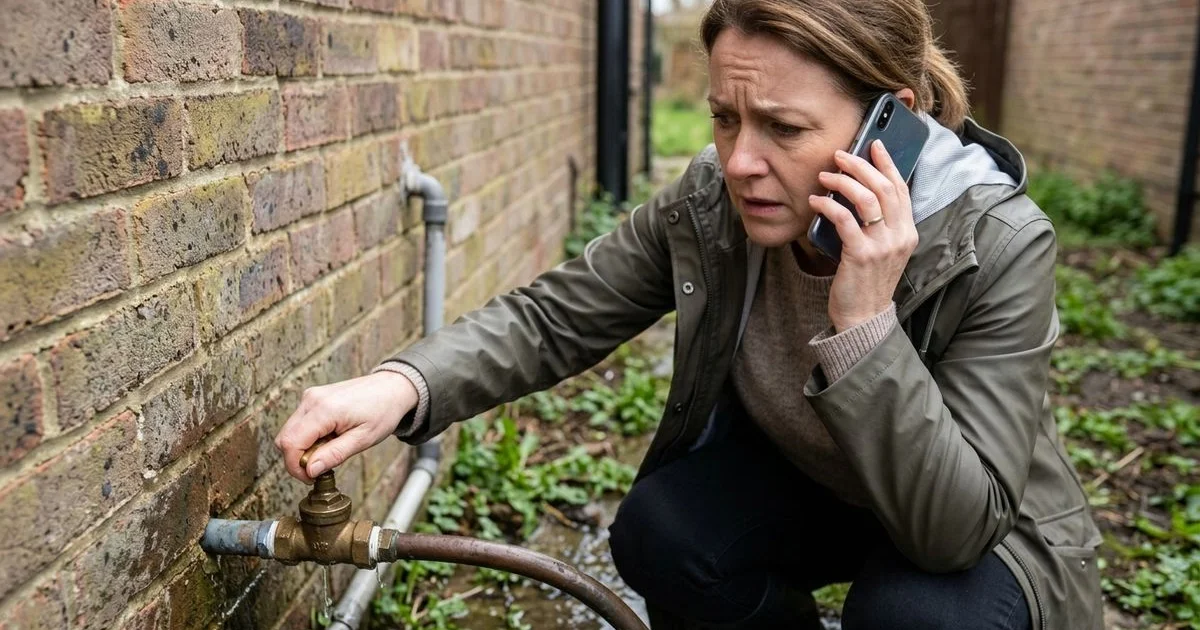
You know how a minor drip feels totally manageable until you step into a completely flooded hallway. We see that exact scenario play out constantly across Sydney’s Eastern Suburbs. Recognising the 5 signs you need an emergency plumber right now is the best way to prevent a routine fix from becoming a catastrophic event.
Our team handles emergency plumbing calls from local residents every single day. This high volume of urgent requests proves how fast a small oversight turns into a $5,000 renovation bill.
We want to help you distinguish between a harmless quirk and a genuine crisis.
Facts and data provide the clearest path forward when evaluating these system failures. Our guide breaks down what these symptoms actually mean for your property and the practical steps you need to take right now.
1. Water Is Gushing or Won’t Stop Flowing
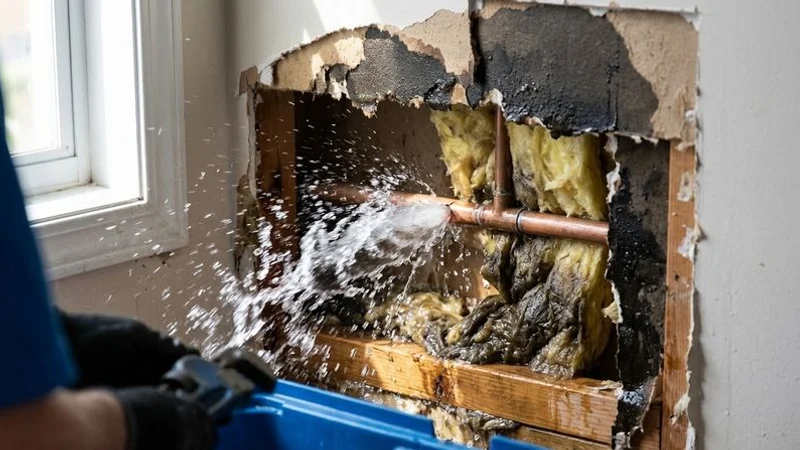
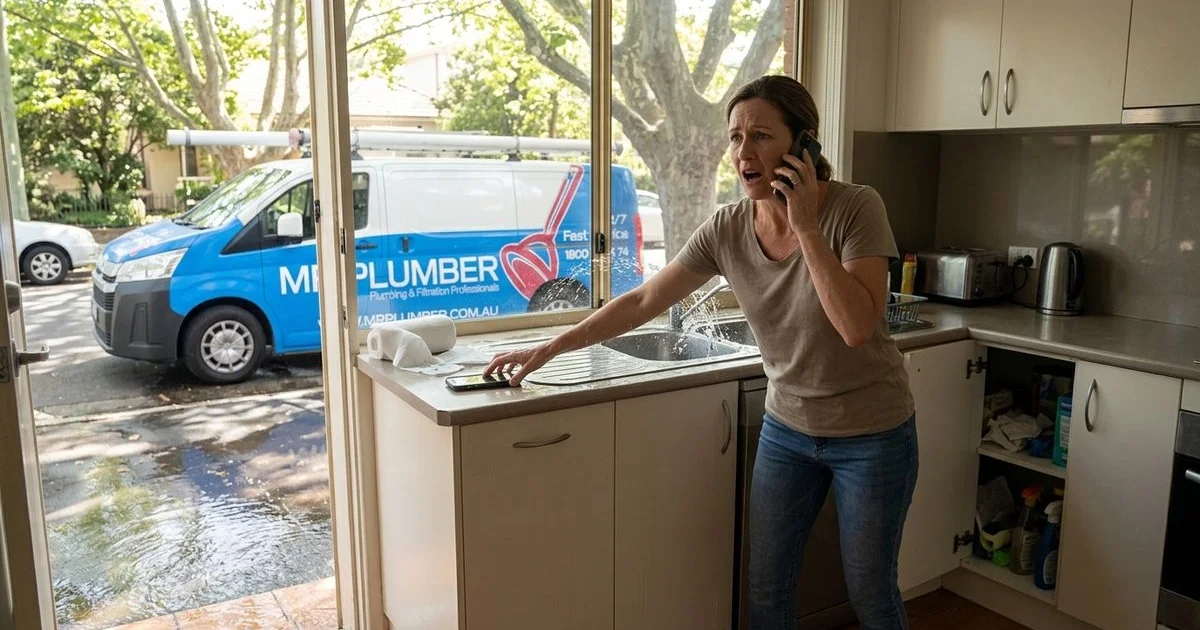
A burst pipe pouring water into your kitchen is the most obvious sign of a critical system failure. We treat this as a severe emergency the moment you cannot stop the flow using the local isolation valve.
The financial impact escalates rapidly with every passing minute. Our technicians find that even modern homes in Coogee experience sudden pipe failures from extreme water pressure fluctuations.
The True Cost of Water Damage
Recent 2025 data from ServiceTasker indicates that moderate water damage across several rooms costs between $3,500 and $7,000 to repair. We strongly recommend acting before these secondary issues take hold. To prevent massive repair bills, you must recognise the cascading effects of uncontrolled water.
- Rapid Mould Colonisation: Sydney’s humid climate allows mould spores to grow on wet surfaces within 24 to 48 hours.
- Expensive Equipment Rentals: Professional drying and dehumidification equipment easily costs between $100 and $500 per day to run.
- Costly Structural Compromise: Plasterboard walls and ceiling joists absorb water instantly and lose their load-bearing integrity.
- Severe Electrical Hazards: Water reaching active wiring creates a massive risk of electrical fires.
You must shut off the property main water valve at the meter immediately if you face an active flow. Our comprehensive emergency checklist walks you through the exact steps to secure your home. Taking immediate action limits the destruction while a professional heads your way.
2. Sewage Is Backing Up Into Your Home
Wastewater reversing its flow and entering your living space is a severe health hazard. We treat every sewage breach as an urgent priority because contamination spreads rapidly across porous materials.
Raw sewage contains dangerous pathogens that pose significant risks to your family. Our crews frequently pull massive clusters of wet wipes right out of the main sewer lines.
The “Fatberg” Threat in Sydney
Current 2026 reports show Sydney Water spends an incredible $27 million annually clearing up to 20,000 blockages. We constantly see these issues triggered by unflushable materials combining with kitchen fats to create solid fatbergs.
In fact, non-flushable wet wipes contribute to 75 percent of local wastewater blockages. Sydney Water removes over 500 tonnes of these wipes from treatment facilities every single year. To catch a blockage before it breaches your floor wastes, watch for early warning indicators.
- Foul odours escaping from your bathroom drains or laundry grates.
- Multiple fixtures draining sluggishly at the exact same time.
- Dark water actively rising from your shower base.
- Loud gurgling sounds coming from the pipes when you flush a toilet.
Older suburbs like Woollahra and Paddington are highly vulnerable due to aging terracotta clay sewer pipes. We constantly find thirsty tree roots penetrating the small cracks in these older pipes.
Sydney Water data confirms tree root intrusion causes a massive percentage of blocked drains during dry weather. You must stop using all water fixtures immediately if you suspect a blockage.
3. You Can Smell Gas Near Plumbing Fixtures
Natural gas is colourless, so suppliers add a chemical called Ethyl Mercaptan to give it a distinctive rotten egg scent. We align our safety protocols with NSW Fire and Rescue guidelines, treating any suspected gas accumulation as an explosive hazard.
Detecting this sharp odour near your gas cooktop or meter means you have an active leak. Our experience shows that natural gas only needs a concentration of 5 percent in the air to ignite from a tiny spark. Because methane gas is lighter than air, it rises and quickly gathers near ceilings.
Immediate Safety Protocols
You need to follow a strict set of safety steps the moment you notice that rotten egg smell. We urge you to take these life-saving actions without hesitation. Following official guidelines, you must isolate the leak area.
- Do not touch any electrical switches or use your mobile phone inside, as these generate lethal sparks.
- Open all nearby doors and windows to allow the rising gas to escape safely.
- Evacuate the property entirely and move at least 100 metres away from the building.
- Contact the national Gas Leaks and Emergency service on 1800 427 532 from safely outside the hazard zone.
- Call our team on 1800 247 474 once the fire department declares the site safe.
A surprising number of these dangerous leaks originate from braided flexible gas hoses connecting older hot water systems. We replace these degraded connections constantly because they easily corrode over time. Regular professional inspections are the only reliable way to catch this hidden wear.
4. Your Water Heater Is Leaking, Making Strange Noises, or Producing Discoloured Water
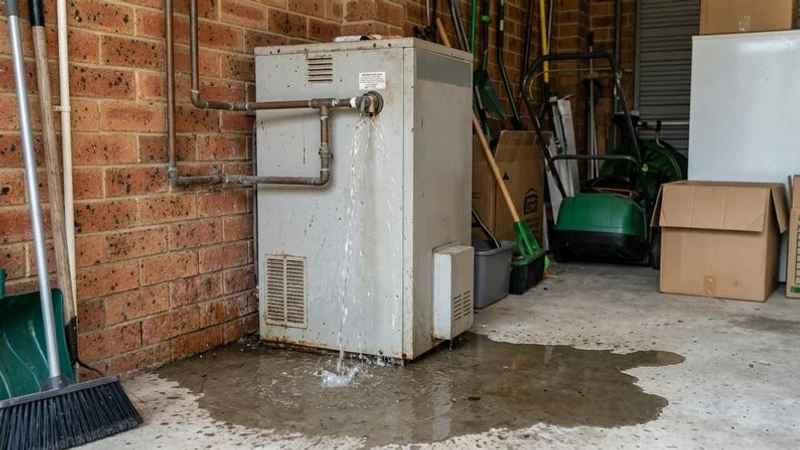
A standard residential hot water system holds between 125 and 400 litres of scalding water. We often get calls for catastrophic blowouts that homeowners could have prevented by recognizing early mechanical warning signs.
These heavy appliances do not last forever. A sudden rupture can easily inundate a garage in a matter of minutes.
Hot Water System Lifespan Expectations
Current 2025 industry data reveals clear lifespan averages for different Australian water heaters. We strongly advise monitoring any storage tank past the decade mark for internal corrosion.
| System Type | Average Lifespan | Common Failure Point |
|---|---|---|
| Electric Storage Tank | 8 to 12 Years | Internal tank rust |
| Gas Storage Tank | 8 to 12 Years | Burner assembly wear |
| Heat Pump System | 10 to 15 Years | Compressor issues |
| Continuous Flow (Tankless) | 15 to 20 Years | Heat exchanger failure |
Knowing the physical symptoms of a failing unit gives you time to shut the system down safely. Our technicians tell clients to watch for these definitive red flags. A neglected sacrificial anode is often the primary reason tanks rust out prematurely.
- Pooling Water: Dampness around the base points to a rusted internal casing.
- Loud Banging: These aggressive noises occur when thick mineral sediment traps heat at the bottom of the tank.
- Rusty Hot Water: Brown water coming only from your hot taps indicates active internal rusting.
- Continuous Valve Dripping: A temperature relief valve constantly discharging water means internal pressure is dangerously high.
Any combination of these symptoms means you are facing an active emergency. We advise clients to immediately turn off the unit at the electrical circuit breaker. Once the system is safely isolated, a professional assessment will determine if you require an emergency repair or a full replacement.
5. A Major Leak You Cannot Locate or Stop
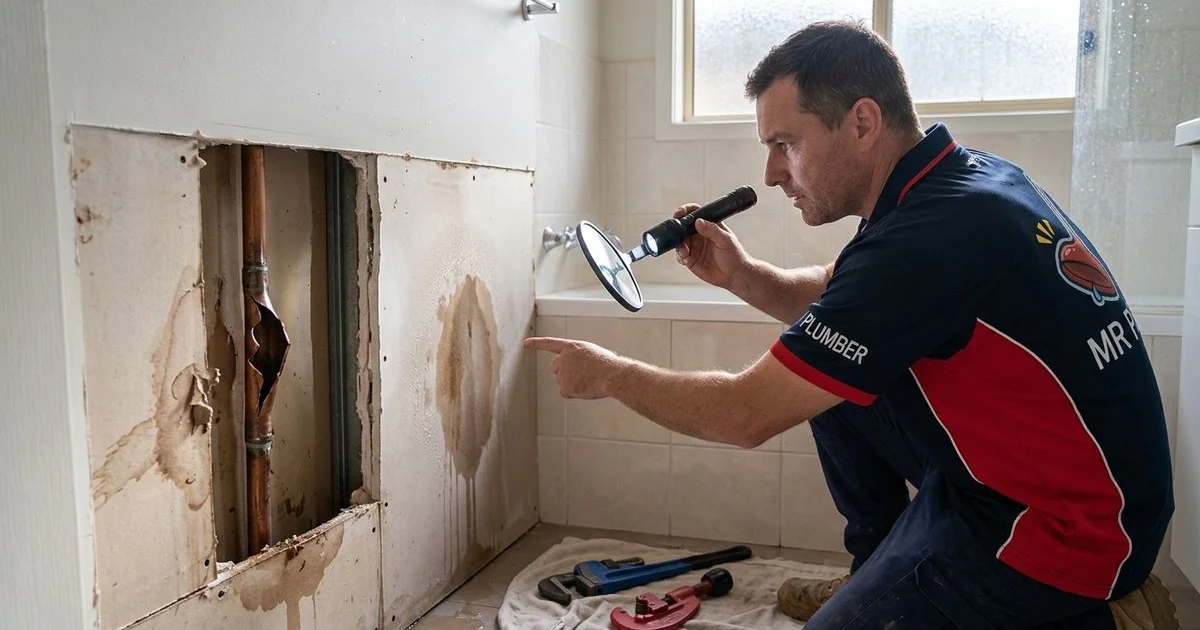
Finding unexplained damp patches on your walls is an incredibly stressful experience. We see these hidden leaks silently destroy structural frameworks over days and weeks.
A fractured underground supply line can silently dump hundreds of litres into your soil every 24 hours. Our advanced acoustic equipment frequently uncovers massive underground washouts that homeowners missed completely.
Diagnosing a Concealed Rupture
If you suspect a concealed rupture, the best initial diagnostic tool is your own property water meter. We recommend checking the exact numbers on your meter right before bed, using zero water overnight, and checking the dial again first thing in the morning.
Any movement on that dial over an eight-hour period is definitive proof of an active leak. Recent Sydney plumbing data shows repairing extensive underground water damage or broken sewer lines costs anywhere from $3,000 to $20,000.
- Under Concrete Slabs: This is an expensive issue for homes across Randwick built directly on slab foundations.
- Inside Wall Cavities: Pinhole leaks develop near concealed bathroom plumbing or high-pressure kitchen connections.
- Underground Supply Pipes: The vital main trench line running between your boundary meter and the house is highly susceptible to ground movement.
A spinning meter dial demands an immediate response to stop the ongoing destruction of your property foundations. We utilize specialized non-invasive leak detection to pinpoint the exact location without needlessly smashing tiles. The faster you locate the source, the less you will spend on secondary structural repairs.
When It’s NOT an Emergency
Understanding the difference between a minor nuisance and a critical failure helps you avoid premium callout fees. We regularly help callers realize their plumbing issue can safely wait until normal business hours.
While some issues definitely require professional attention, they do not demand a frantic midnight phone call. You can typically hold off on an urgent response if you experience common low-risk problems.
- A single dripping basin or shower tap.
- A toilet cistern that runs occasionally after flushing.
- Sluggish drainage isolated to just one specific sink.
- Minor water condensation forming on the outside of cold pipes.
- A stiff tap handle requiring extra force to turn off.
Handling these minor annoyances during regular operating hours is a much more cost-effective strategy. We suggest booking a daytime appointment for these non-urgent repairs to take full advantage of standard rates. Delaying a minor fix by a few days rarely results in secondary property damage.
Experiencing the 5 Signs You Need an Emergency Plumber Right Now? Don’t Wait, Call Mr Plumber
Ignoring a severe plumbing warning sign is a gamble that almost always results in extensive property damage. We provide rapid emergency plumbing response teams across all of Sydney’s Eastern Suburbs.
Acting swiftly is the single most effective way to protect your home. Our fully equipped utility vehicles allow technicians to diagnose and repair critical failures immediately.
If you spot any of the 5 signs you need an emergency plumber right now, do not wait for the situation to worsen. Call us on 1800 247 474 right now to get the immediate professional assistance you need.