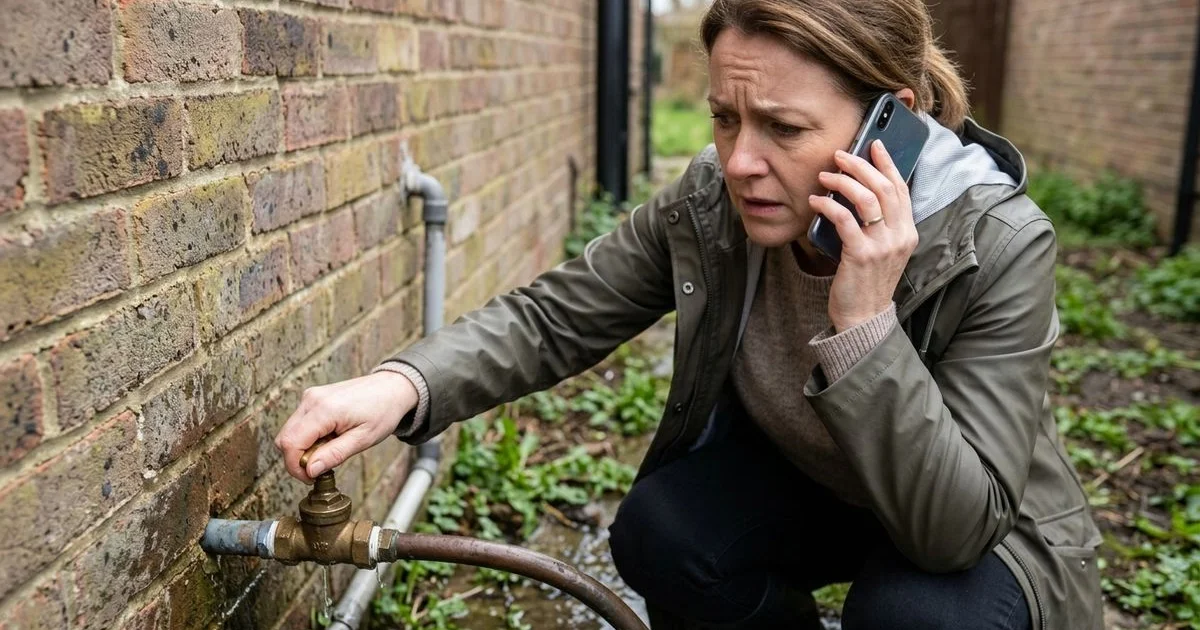
You know how chaotic property management gets when a heavy Sydney downpour hits and water starts rapidly backing up. That rising tide forces a quick decision regarding a blocked stormwater drain vs sewer drain, and making the wrong call wastes precious time.
Our teams see the fallout of these delays constantly.
Mixing up these two completely different waste networks often leads to calling the wrong authority or attempting an ineffective fix. Our blocked drain specialists deal with both systems daily. Knowing exactly which system is failing is the only way to avoid costly excavation work and serious health risks.
We are going to break down the clear warning signs for both networks. Let’s look at the actual data behind these failures and map out the exact next steps you need to take.
What Is a Stormwater Drain?
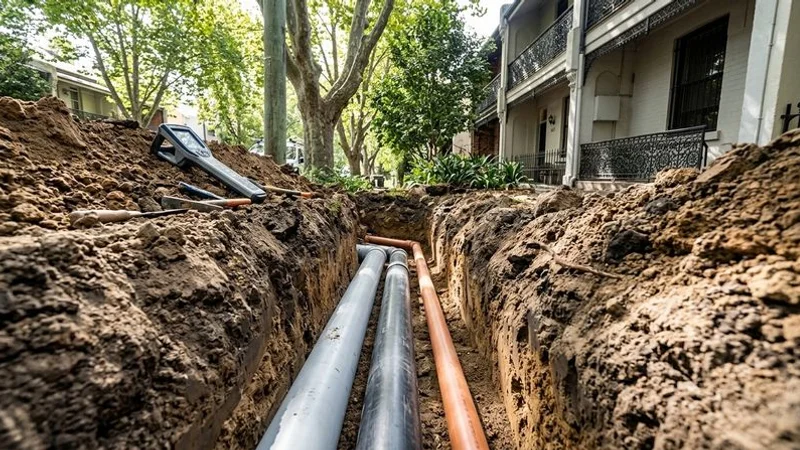
A home relies on a dedicated network to collect and direct rainwater safely away from structural foundations. This stormwater system typically uses 90mm PVC or older terracotta pipes to handle intense East Coast Lows.
Our plumbers frequently remind clients that these pipes carry untreated rainwater straight into local waterways like Bondi Beach or Sydney Harbour. Pouring chemicals, paint, or soapy car wash water into these street grates is a massive financial risk.
The NSW Protection of the Environment Operations Act 1997 strictly regulates this delicate network. Local councils have significantly increased the penalties for polluting these drains in recent years. Tier 3 on-the-spot fines for water pollution now reach $15,000 for individuals and $30,000 for corporations.
You must ensure that runoff only enters this system from specific property areas:
- Roof gutters and downpipes
- Driveways and paved areas
- Garden and yard drainage
- Retaining wall weep holes
- Subfloor drainage (ag drains)
What Is a Sewer Drain?
Managing the contaminated wastewater flowing out of residential and commercial buildings requires a completely separate and highly regulated approach. The sewer drainage network is built with larger 100mm to 150mm pipes to safely transport hazardous waste to treatment facilities.
Our daily operations focus heavily on keeping this critical infrastructure clear and functioning. Sydney Water processing plants treat roughly 1.5 billion litres of this sewage every single day for over 5.5 million residents. New infrastructure, like the Badu Muru advanced facility in Western Sydney, is constantly being built to handle an additional 35 million litres daily.
Directing clean rainwater into this overloaded sewer network is strictly illegal under NSW regulations. Illegal cross-connections force raw sewage to overflow during storms, triggering massive financial penalties and mandatory excavation work. This system is designed exclusively to handle the discharge from internal wet areas:
- Toilets
- Sinks and basins
- Showers and baths
- Washing machines
- Dishwashers
- Floor wastes in wet areas
How to Tell Which System Is Blocked
Signs of a Blocked Stormwater Drain
A failing rainwater network becomes obvious very quickly during a heavy summer storm. You will notice clear signs of distress outside the home while the interior fixtures drain perfectly fine.
Our teams look for the timing of the backup as the absolute biggest diagnostic clue. The issue is definitely in the outdoor pipes if the flooding stops shortly after the rain passes. Watch for these distinct symptoms:
- Water pooling heavily in the yard during rain
- Overflowing gutters even after recent cleaning
- Storm runoff entering the garage or subfloor
- Soggy patches in the garden that refuse to dry
- Erosion or small sinkholes appearing near retaining walls
Signs of a Blocked Sewer Drain
Diagnosing a wastewater failure involves a completely different set of symptoms that happen regardless of the weather. These blockages create serious indoor hazards that require immediate attention.
We see these warning signs most frequently in older properties with aging infrastructure. A blocked main sewer line will eventually impact every sink and toilet in the house. You have a serious wastewater emergency on your hands if you notice:
- Toilets draining slowly or fluctuating water levels in the bowl
- Loud gurgling sounds when running the washing machine
- Hydrogen sulfide gas (rotten egg smell) coming from drains
- Multiple fixtures backing up simultaneously
- Raw sewage spilling from shower floor wastes
The Water Services Association of Australia recently found that flushable wipes cause up to 80 percent of these sewer blockages. These synthetic wipes do not break down, creating massive “fatbergs” that cost Australian water departments over $15 million annually to clear.
What If Both Systems Are Affected?
Many pre-1900s terraces across Paddington, Darlinghurst, and Surry Hills feature unmapped alterations and legacy cross-connections. The two networks often become completely tangled together over decades of unrecorded renovations.
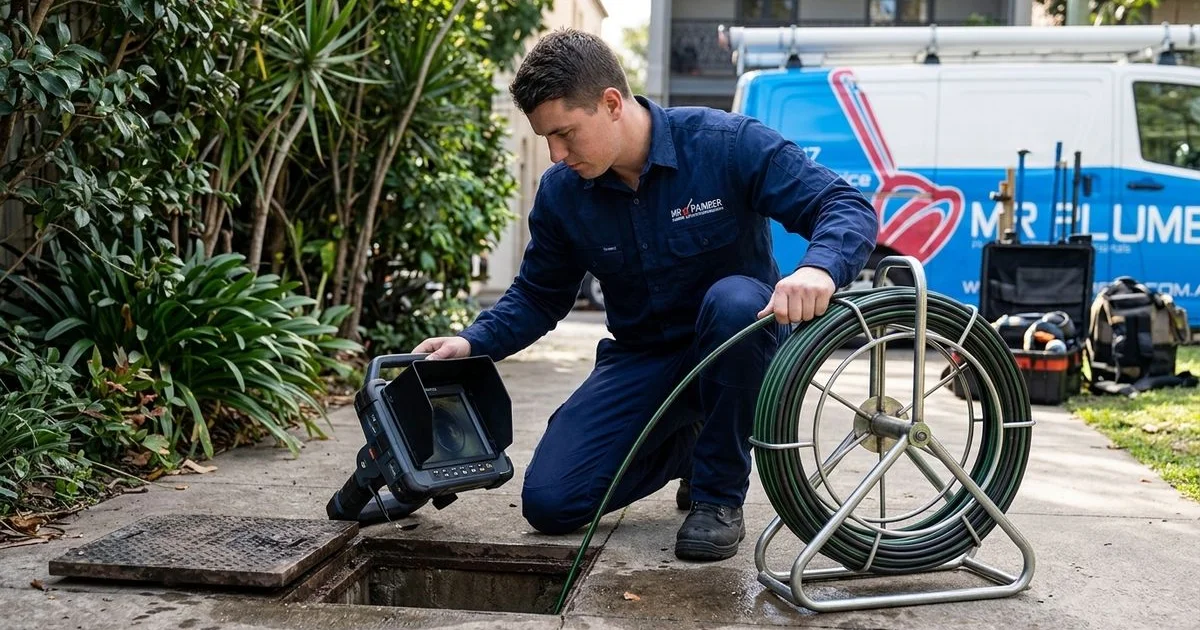
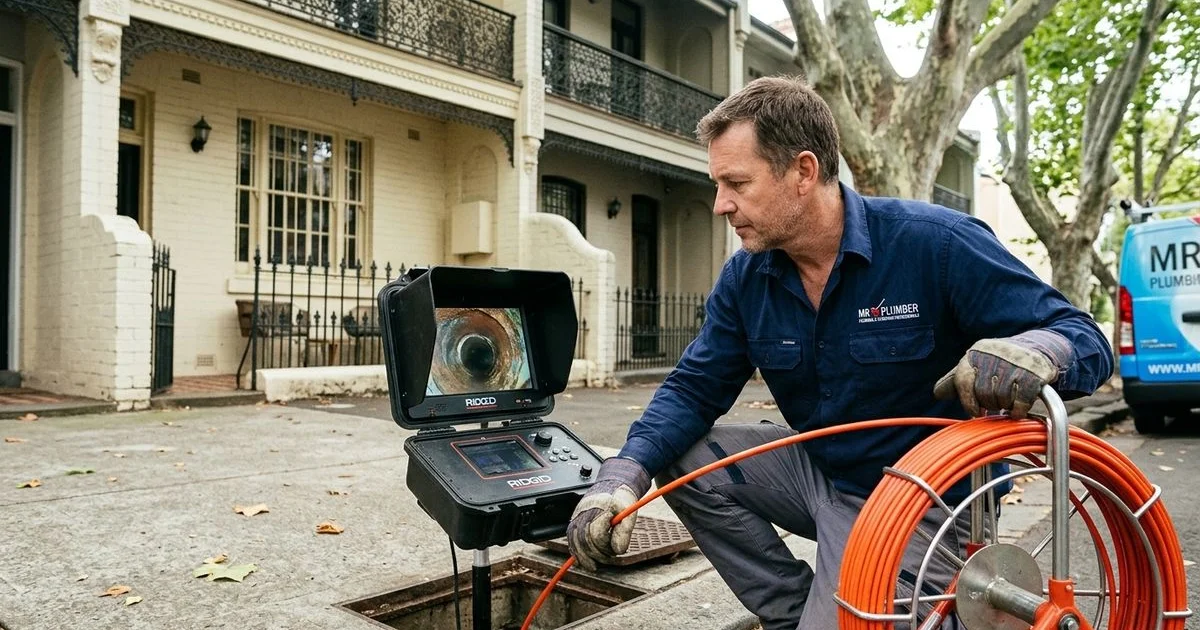
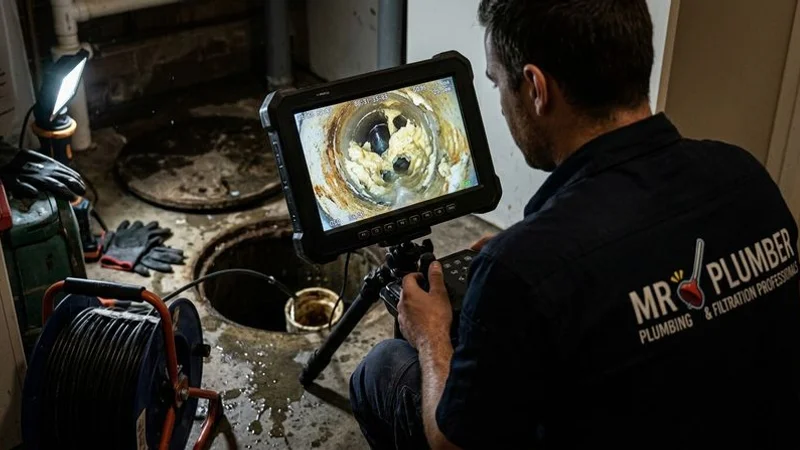
Our licensed plumbers use specialized tools to map out these exact pipe layouts and find the illegal connections. High-definition equipment like the RIDGID SeeSnake CSx VERSA camera uses High Dynamic Range imaging to clearly identify cracks and junctions deep underground. You might have an illegal setup if you notice:
- Sewage odours escaping from outdoor stormwater grates
- Toilets backing up precisely when heavy rain hits
- Rainwater bubbling up through internal bathroom floor wastes
Property owners must rectify any cross-connections immediately to comply with modern Sydney Water standards.
Who Is Responsible for Repairs?
Understanding exact property boundaries dictates who pays the massive repair bill when a pipe bursts.
Your Responsibility (Property Owner)
You own and must maintain all infrastructure within your property lines, but the legal boundary often surprises people. The responsibility actually extends to all wastewater pipes up to the official connection point with the Sydney Water system.
Our clients are often shocked to learn this connection point might sit outside the fence line or under a public footpath. The standard homeowner footprint includes:
- Every internal household pipe and fixture
- The main sewer line running up to the public connection
- All backyard stormwater pits and ag drains
- Roof gutters and their downpipe connections
Local tree roots invading your private pipes remain your financial problem to solve.
Sydney Water’s Responsibility
The state government corporation manages the main wastewater lines running under streets or through registered easements. Their specific maintenance duties cover clearing blockages inside the public sewer main and fixing structural pipe failures beyond your connection point.
We frequently coordinate with Sydney Water crews for severe street-level issues. They also operate a “Collapsed Private Service in Public Land Program”, which may cover repairs to your private pipes if they collapse on public land under certain conditions. You should call them on 13 20 90 if you suspect the street main is choked, as their teams typically respond to raw sewage overflows within a 24-hour window.
Council’s Responsibility
Local governments like Waverley, Randwick, or Woollahra maintain the massive street-level flood networks. Your council is fully liable for the public kerb, concrete drainage channels, and large stormwater pipes running under the road.
Our team advises residents to check with neighbors before booking a private plumber for outdoor street flooding. Call the local council immediately if the entire street surface is underwater, as this indicates a failure in the municipal grid.
Common Causes by System Type
Different networks attract completely different types of damage based on their design and location. We compiled this data based on recent callouts across the Eastern Suburbs.
Stormwater Blockages
Autumn weather and coastal environments put intense pressure on outdoor drainage.
| Cause | Prevalence in Eastern Suburbs | Specific Detail |
|---|---|---|
| Leaf litter and debris | Very common | Autumn leaf drop clogs 90mm PVC pipes rapidly without gutter guards. |
| Tree root intrusion | Common | Port Jackson Fig roots actively seek out damp joints in retaining walls. |
| Collapsed terracotta | Common in pre-1970s homes | Brittle clay pipes crack easily under heavy soil weight and vehicle traffic. |
| Soil and sediment | Moderate | Sand washes in continuously from coastal garden beds during storms. |
| Construction debris | Moderate | Washout from local renovations hardens like concrete inside the pipes. |
Sewer Blockages
Internal habits and aging infrastructure drive the majority of wastewater failures.
| Cause | Prevalence in Eastern Suburbs | Specific Detail |
|---|---|---|
| Non-flushable items | Very common | Synthetic wipes cause up to 80% of blockages, creating massive fatbergs. |
| Tree root intrusion | Very common | Roots crush aging clay pipes in search of constant water and nutrients. |
| Fats, oils, grease | Common | Kitchen fat solidifies into hard, immovable blockages deep underground. |
| Ground movement | Moderate | Shifting sandy soils misalign pipe joints, causing toilet paper to snag. |
| Aging clay failure | Very common | Century-old pipes simply disintegrate after decades of constant use. |
The complete guide to these issues is available in our post on the 7 common causes of blocked drains in the Eastern Suburbs.
What to Do When Your Drain Blocks
Taking the right immediate action prevents tens of thousands of dollars in water damage.
For Stormwater Issues
Our initial step is always to verify that the street drains are actually flowing. A localized blockage requires immediate intervention to protect the property foundation.
Follow these specific steps to isolate the problem:
- Check and clear all visible gutter and downpipe outlets.
- Remove accumulated leaves and mud from outdoor drain grates.
- Ask your neighbors if their yards are also flooding to rule out a municipal issue.
- Book a professional CCTV camera inspection if the water refuses to drop.
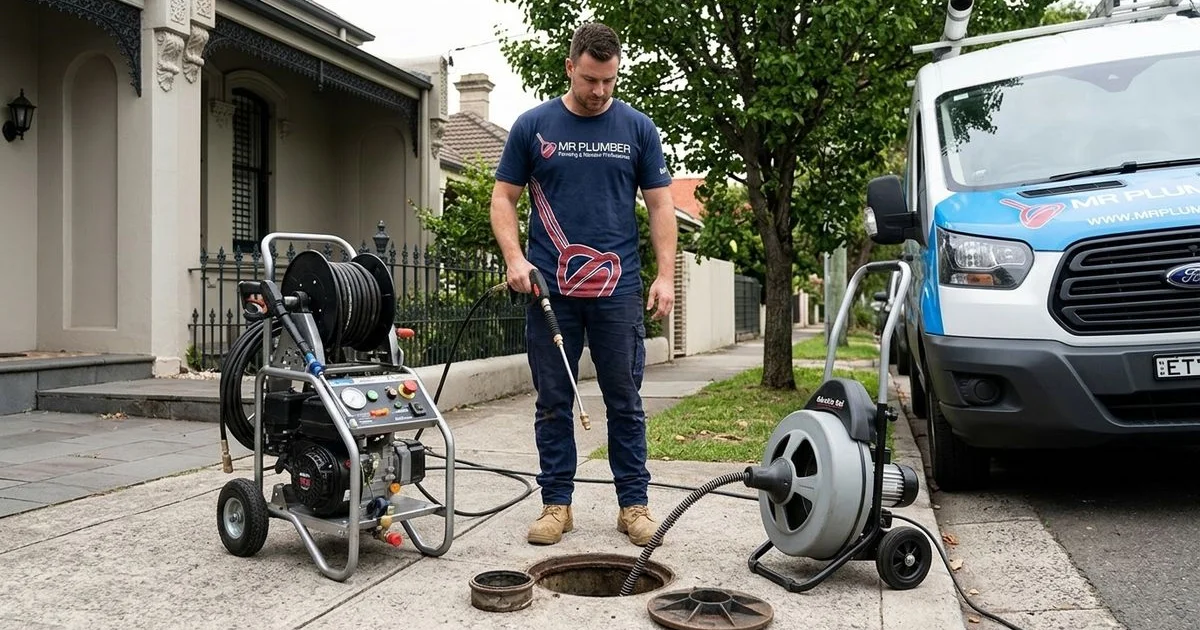
High-pressure water jetting operating at 5000 PSI is often required to cut through hardened soil and tree roots in these outdoor lines.
For Sewer Issues
Protecting your family from toxic contamination is the absolute highest priority during a wastewater backup. You must act decisively to keep sewage outside the home.
Our emergency protocol relies on isolating the plumbing system immediately. Follow these crucial steps:
- Stop using every single water fixture to prevent internal overflow.
- Locate the Overflow Relief Gully (ORG) outside your home.
- Check if the ORG grate is popping off to release sewage into the yard.
Treat any indoor sewage spill as an absolute emergency plumbing situation. Call Mr Plumber on 1800 247 474 for immediate extraction.
The ORG is a crucial safety valve. Australian Standard AS/NZS 3500.2 mandates strict rules for this drain-like fitting, requiring it to sit at least 150mm below the lowest internal fixture, which is usually the shower. It is specifically designed to pop off and dump waste outside rather than ruining your carpets.
Prevention Tips
Proactive maintenance is vastly cheaper than emergency excavation. These preventable disasters happen in the Eastern Suburbs every single week, but a few strategic upgrades provide immense protection.
We highly recommend adopting these specific property habits to safeguard your infrastructure:
- Install bristle or mesh gutter guards to block heavy autumn debris from entering the 90mm PVC lines.
- Scrape all cooking fats into the bin to avoid solidifying grease traps.
- Enforce a strict paper-only toilet rule to avoid wipe-related fatbergs.
- Clear outdoor drain grates monthly, especially before major storm warnings.
- Book preventive CCTV inspections every two to three years for heritage homes.
- Apply chemical root inhibitors like Vaporooter, which foams up to kill existing roots and prevents regrowth for 12 months.
- Invest in pipe relining using durable epoxy resin to seal cracks for up to 50 years.
Advanced trenchless technology repairs damaged lines without digging. Plumbers use German-engineered Brawoliner products to fix the pipe from the inside. While inversion pipe relining costs between $400 and $700 per metre, it completely eliminates the need for $50,000 landscaping and excavation repair bills.
A small investment in regular clearing and modern trenchless repairs will protect your home from both toxic spills and foundational water damage.
Get Your Drains Diagnosed
Understanding a blocked stormwater drain vs sewer drain, and how to tell the difference, prevents massive financial losses. You need definitive proof of where the blockage sits and exactly who is responsible for the repair bill.
Our high-definition CCTV technology and professional leak detection methods pinpoint the exact failure point to give you a permanent, cost-effective solution.
Fast, reliable service covers all of Sydney’s Eastern Suburbs, including Bondi, Randwick, Coogee, and Woollahra.
Call Mr Plumber on 1800 247 474 today to secure your property and stop the flooding.