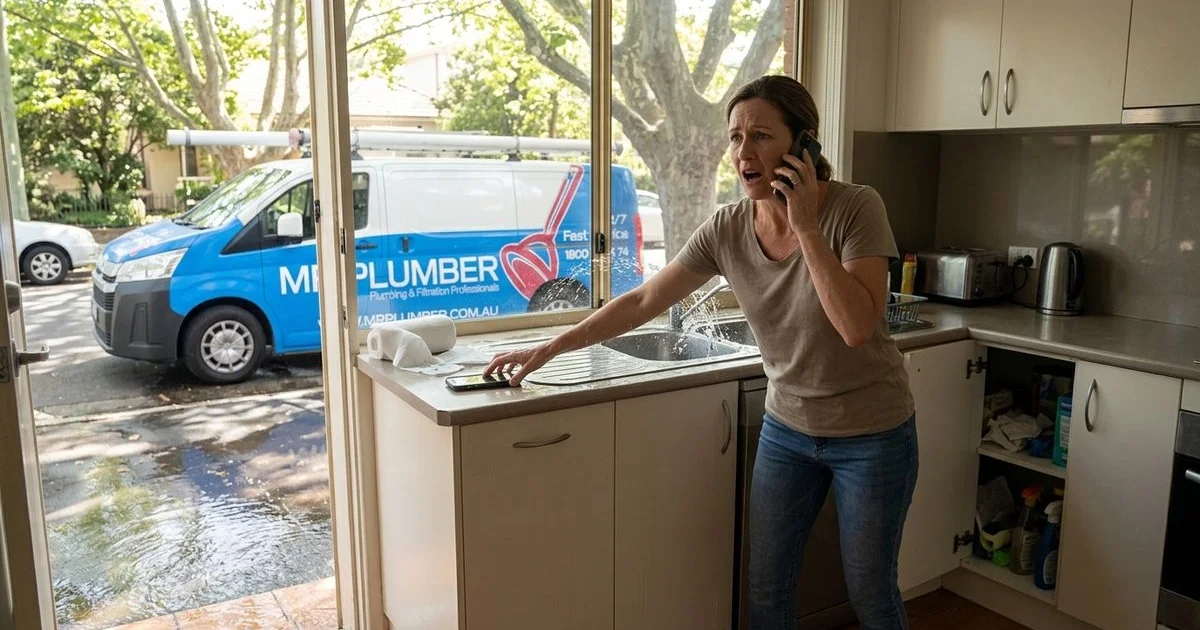
We frequently see property managers surprised by how quickly a minor gurgle turns into a costly excavation project. From what I have observed across the industry, understanding the 7 Common Causes of Blocked Drains in Sydney is the dividing line between a quick fix and a recurring nightmare.
Our team knows that older infrastructure clashes directly with modern living habits.
This dynamic makes plumbing maintenance a pressing issue for local families. Let’s examine the specific issues driving these blockages and review the most effective ways to clear blocked drains permanently.
1. Tree Root Intrusion
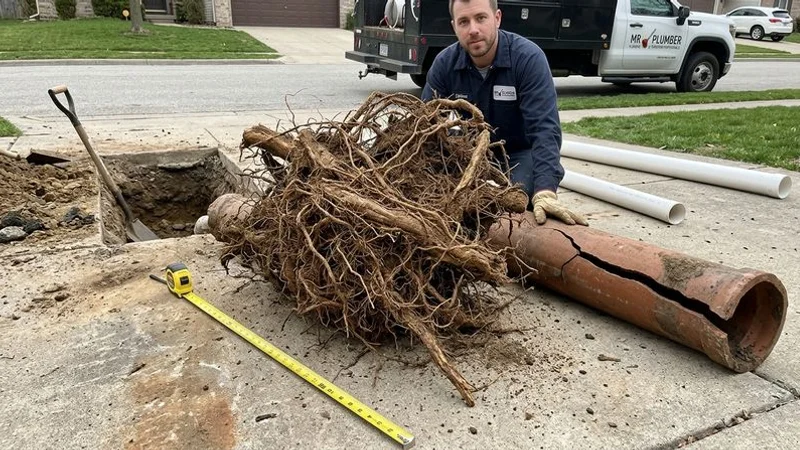
Our diagnostic equipment consistently identifies root growth as the primary threat to underground plumbing across the Eastern Suburbs. According to Sydney Water, tree roots are responsible for a staggering 80 percent of sewer blockages during dry climatic conditions.
We frequently extract dense root masses from properties in Woollahra, Vaucluse, and Bellevue Hill. Mature Moreton Bay figs and jacarandas feature extensive networks that easily penetrate weakened pipe joints.
Our preventative checklist for landscaping includes:
- Schedule regular inspections to catch tiny hair roots early.
- Install physical root deflectors near new garden beds.
- Keep large trees at least six metres away from wastewater lines.
Industry professionals closely monitor sites using modern IoT blockage detection technology. Our recent data shows that these smart sensors detect around 20 blockages a month at high-risk sites, saving approximately $400,000 in incident costs.
We highly recommend addressing vulnerabilities before they escalate. Our preferred long-term fix involves upgrading vulnerable lines with pipe relining to create a seamless barrier against future root intrusion.
2. Ageing Clay and Earthenware Pipes
We regularly service properties built between the 1890s and 1960s where the original vitrified clay pipes are failing. These earthenware systems were standard for the era but carry a functional lifespan of around 50 to 60 years.
Our diagnostic cameras often reveal severe structural degradation beneath streets in Paddington, Darlinghurst, and Surry Hills. Unlike flexible modern PVC, rigid clay simply snaps under the pressure of natural ground settling.
We look for the following symptoms during inspections:
- Multiple separated joints causing localized soil sinkages.
- Severe brittleness that collapses under minor traffic vibrations.
- Constant vulnerability to invasive root systems.
Trenchless technology serves as the ideal solution for this widespread issue. Our team avoids tearing up your historic courtyard by using pipe relining to insert an epoxy-impregnated liner directly into the old cavity.
We find this process effectively creates a brand new, highly durable installation. The seamless resin interior extends the system’s life by another five decades.
3. Fats, Oils, and Grease (FOG)
We pull hundreds of kilos of solidified cooking oils out of residential and commercial lines every single year. Sydney Water data reveals a shocking reality about these greasy blockages.
Our crews monitor reports showing utility workers remove over 500 tonnes of greasy fatbergs from the city’s wastewater system annually. That equates to clearing 13 major blockages every day at a cost of nearly 15 million dollars.
We strongly advise avoiding these high-risk behaviors:
- Rinsing oily pans directly with hot water and dish soap.
- Tipping leftover marinades or salad dressings down the kitchen sink.
- Failing to maintain commercial grease traps at local cafes.
Liquid fat from roasting trays cools rapidly once it hits the underground pipes. Our technicians explain that it acts like a powerful glue, binding food scraps into rock-hard masses.
We encourage everyone to pour waste cooking oil into a sealed container for the rubbish bin. Wipe out greasy pans with a paper towel before washing to prevent emergencies.
4. Foreign Objects and Non-Flushable Items
We spend countless hours removing products that homeowners honestly believed were safe for the toilet. Misleading packaging is a massive issue driving this multi-million dollar problem.
Our research aligns with the 2024 Sydney Water Toilet Blockers campaign, which notes that false flushable wipes contribute to 75 percent of all sewer blockages across the network. To combat this issue, the Australian Flushable Products Standard (AS/NZS 5328:2022) was introduced.
We continuously educate property managers on the common culprits creating instant clogs:
- Wet wipes lacking the required AS/NZS 5328:2022 certification.
- Dental floss, which wraps around tree roots to create a net.
- Paper towels and heavy tissues designed for wet strength.
- Feminine hygiene products and cotton buds.
Massive clumps of synthetic cloths lacking this certification frequently surface during excavations. Our equipment easily verifies that these products fail the new standard, which requires items to break into pieces smaller than 2.45 centimetres after one hour.
We remind clients that only pee, poo, and standard toilet paper should ever go down the drain. Keeping a small bin right next to the toilet eliminates the temptation of flushing random bathroom waste.
5. Broken or Collapsed Pipes
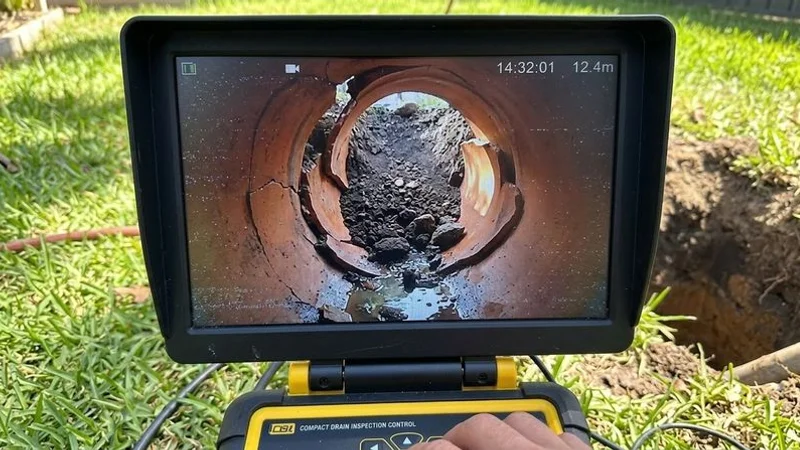
We regularly encounter severe property damage caused by completely compromised underground drainage lines. Ground movement is a massive factor here, especially in areas with reactive clay soils like Randwick and the Inner West.
Our technicians understand that these highly plastic soils expand aggressively during heavy rains and shrink significantly during dry spells. Local engineering data indicates that this reactive clay can expand with forces exceeding 200 kPa.
We see this constant shifting literally crush older earthenware or poorly bedded PVC pipes. Heavy vehicle traffic, nearby excavation work, and natural soil subsidence also contribute to sudden structural failures.
Our emergency teams immediately check for these escalating symptoms:
- Wastewater flow stops completely, causing immediate backups.
- Surrounding soil enters the void to create a dense mud plug.
- Sewage leaks into the yard, saturating the ground and creating sinkholes.
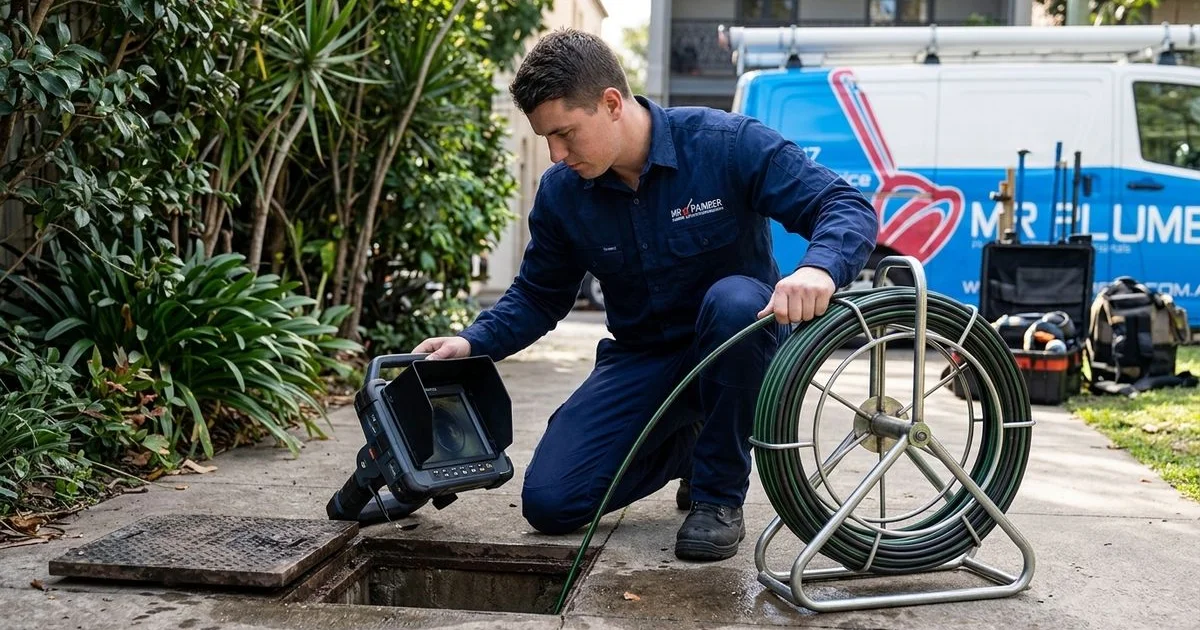
A high-resolution CCTV camera drop provides the quickest way to assess structural integrity. Our first response is to review the exact severity categorized by the footage, where pipe relining might save the day.
We rely on full excavation as the only safe answer for completely flattened pipes. This approach ensures a stable foundation for the replacement plumbing.
6. Stormwater System Blockages
We field an enormous volume of emergency calls during sudden East Coast Lows or intense La Niña downpours. Sydney’s stormwater networks are engineered to handle high capacities.
Our experience shows that they fail instantly when leaves, sediment, and garden bark reduce the internal pipe diameter. Silt and sandy soil washing directly from elevated garden beds also block the flow.
We also check for these other key drivers of stormwater failure:
- Autumn leaf litter bypassing inadequate gutter guards.
- Deteriorated pipework crushed by large tree roots.
- Illegal connections mixing sewer waste with rainwater.
- Unmaintained grates covered in organic material.
Property inspections highlight the critical difference between stormwater and sewer drains. Our plumbers emphasize that keeping the grates clear of organic material prevents surface flooding.
We guarantee that installing quality mesh on your downpipes will dramatically reduce your risk. This targeted defense keeps debris out of your underground pits.
7. Poor Pipe Gradient or Installation
We frequently discover that recurring plumbing nightmares are actually the result of terrible initial workmanship. The Australian Plumbing Code (AS/NZS 3500) demands specific gradients for drainage, requiring a minimum fall of 1:60 for standard sanitary drains and 1:100 for stormwater lines.
Our digital levels routinely expose pipes laid far too flat by unlicensed operators or enthusiastic DIYers. When a pipe lacks the proper downward angle, the solid waste is simply left behind.
We document three main results of incorrect pipe gradients:
| Gradient Issue | Immediate Result | Long-Term Consequence |
|---|---|---|
| Too Flat | Liquids slowly seep away. | Solids accumulate and harden. |
| Too Steep | Fast-moving water bypasses waste. | Dry solids are left stranded in the pipe. |
| Backfalls | Water flows backwards slightly. | Permanent stagnant pools attract thirsty roots. |
Specialized camera surveys remain the best tool for pinpointing flat spots in the line. Our standard procedure for correcting these serious defects usually requires excavating to reset the bedding sand.
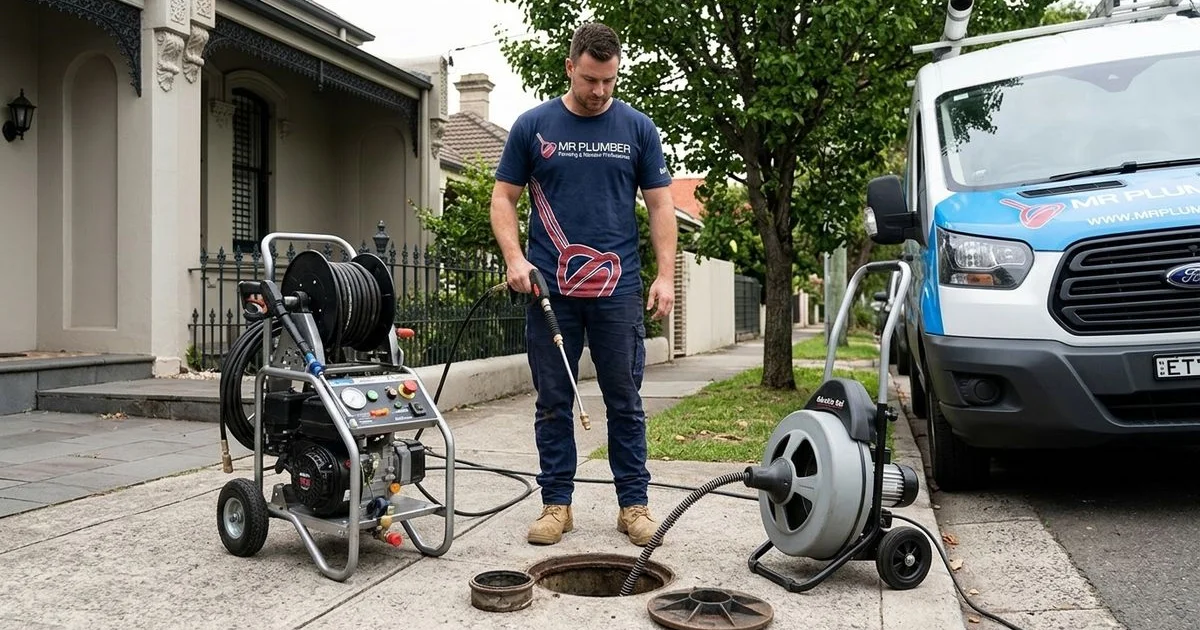
We use routine hydro jetting as a temporary way to manage the symptoms while planning permanent repairs. High-pressure water clears the stranded solids to restore flow.
How to Prevent the 7 Common Causes of Blocked Drains in Sydney
We advise all property owners to adopt a proactive mindset to protect their underground assets. Implementing a few basic habits will save you thousands of dollars in emergency call-out fees.
Our professional maintenance checklist includes the following steps:
- Schedule diagnostic surveys: Book CCTV drain inspections every 2-3 years for properties built before 1970.
- Ban sink grease: Never pour fats, oils, or heavy marinades down kitchen drains.
- Respect the flush limit: Only flush pee, poo, and standard toilet paper.
- Manage surface water: Keep exterior grates fully clear of leaves and landscaping debris.
- Upgrade vulnerable lines: Consider seamless pipe relining if you own an ageing clay system.
- Control nearby landscaping: Trim aggressive tree roots near drain lines or install physical barriers.
- Commit to annual checks: Book routine plumbing maintenance to catch minor flow issues early.
Property managers should share these guidelines directly with their tenants. Our team knows that clear communication is the best defense against plumbing abuse.
Need Help with a Blocked Drain?
We understand how stressful a sudden plumbing failure is for a busy household or commercial business. If you are dealing with any of the 7 Common Causes of Blocked Drains in Sydney, call Mr Plumber directly on 1800 247 474.
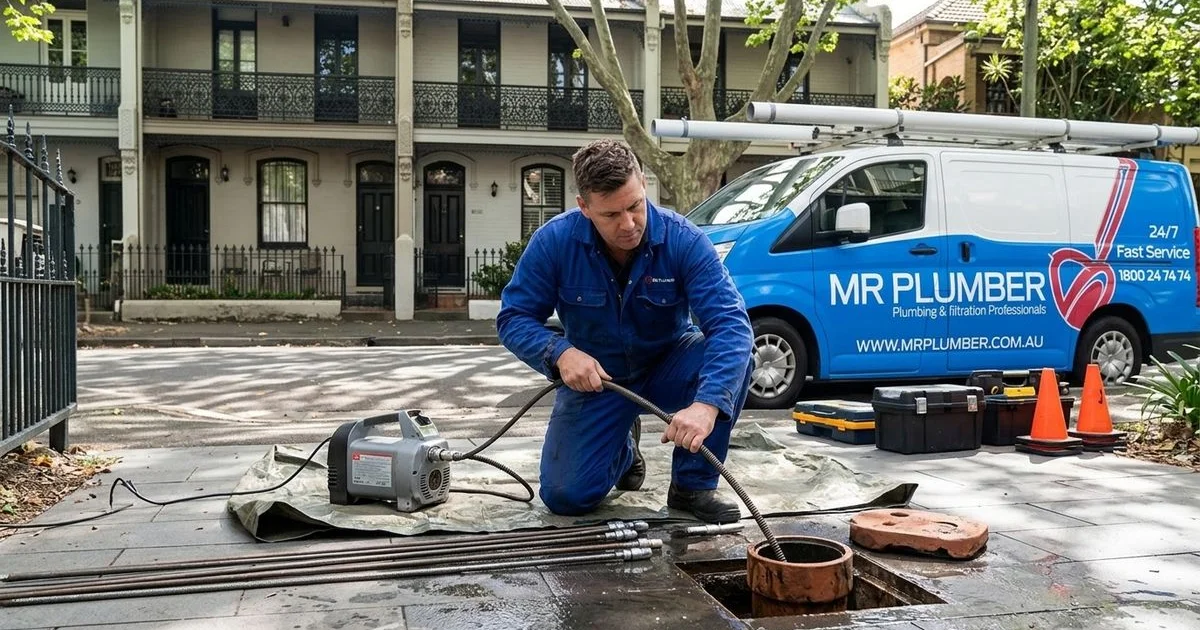
Our licensed technicians use advanced CCTV technology to diagnose the exact location of any obstruction. Quick action minimizes the damage to your property.
We offer everything from emergency drain clearing to permanent pipe relining. You will receive a transparent, long-term solution. Our priority is ensuring your property receives the highest standard of care.