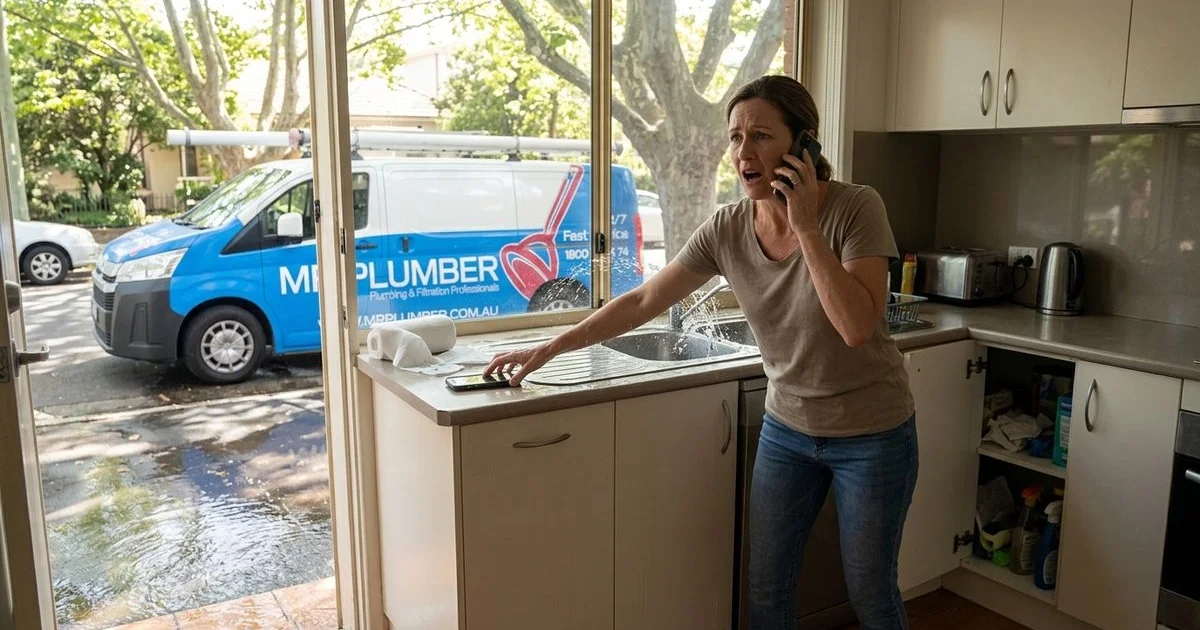
We know how quickly a minor plumbing quirk can escalate into a massive disruption. As a professional service team, recognizing these subtle warning signs is our daily focus. Catching these early symptoms is the crucial difference between a planned repair and a chaotic emergency.
Our approach focuses heavily on early detection because it gives you control over the situation. Spotting these red flags early allows you to solve the structural problem with permanent pipe relining before your garden requires deep excavation. The data clearly shows that proactive maintenance is always the most cost-effective path.
We will break down the six critical signs of impending pipe failure so you can take action quickly.
1. Recurring Blocked Drains
Our technicians know how frustrating it is to pay for the exact same plumbing fix multiple times a year.
A drain that blocks repeatedly after a professional clearing strongly indicates a structural failure rather than a simple clog. Plumbers call this a recurring defect, and it requires a permanent solution rather than a temporary patch.
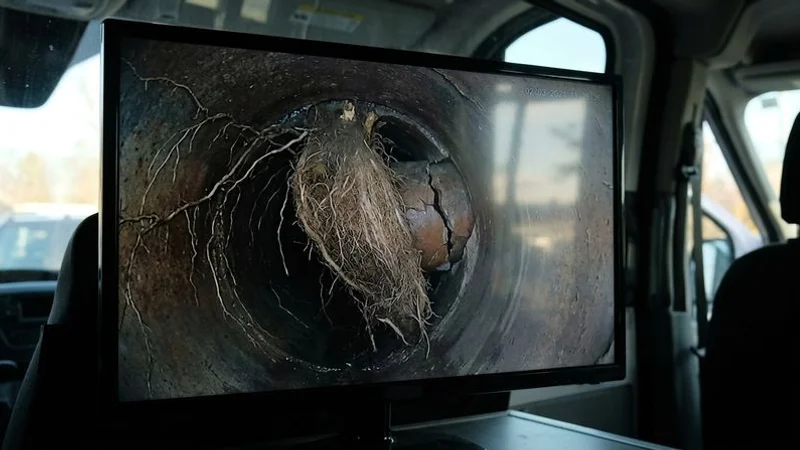
We consistently find that these chronic issues are tied directly to compromised pipes. According to a landmark study reported by SA Water, tree root intrusion accounts for nearly 60% of all sewer pipe failures across Australia. Several common underlying causes create these chronic blockages:
- Tree root intrusion: Aggressive Australian species like Eucalyptus and Jacarandas seek out pipe moisture, pushing through tiny joint gaps.
- Pipe displacement: Shifting soil causes joints to misalign, creating sharp lips that catch everyday debris.
- Internal scaling: Mineral buildup and corrosion severely roughen the interior walls, slowing wastewater flow.
- Back-falls: Sections of the pipe sag under ground pressure, forming low points where heavy waste accumulates.
The Problem with Temporary Fixes
Our property management clients often rely on chemical foaming treatments or mechanical eels for a quick fix. This approach is a common mistake because mechanical cutting acts like pruning a hedge. The aggressive roots simply grow back thicker within 12 to 24 months.
We see property owners waste thousands of dollars treating the symptom while the structural fracture remains wide open. Each time you have a blocked drain cleared, the underlying problem worsens. Premium materials like Brawoliner epoxy resin offer a superior, trenchless alternative.
Our relining process creates a completely smooth, root-proof barrier inside the old line. Those aggressive tree roots cannot re-enter the sealed plumbing network.
2. Slow Drains Throughout the House
We frequently receive calls about a single slow shower, which is usually just a localized hair clog.
When multiple fixtures empty sluggishly across your entire property, the root cause is almost certainly an obstruction in your main sewer line. Approximately 30% of Australian homes deal with significant blockages every year.
Our plumbing technicians look for specific flow restrictions at critical junctions like the boundary trap. A standard Australian showerhead uses about 9 litres of water per minute under the WELS scheme. If that volume cannot escape quickly, the water backs up into your secondary pipes. The evidence clearly indicates that you should watch out for these clear warning signs:
- Kitchen sinks that take several minutes to empty completely
- Shower water pooling rapidly around your feet
- Toilets flushing weakly or requiring multiple flushes to clear
- Washing machines draining sluggishly during the spin cycle
Distinguishing Local vs. Main Line Issues
Our team recommends a simple test to determine the scale of your drainage issue. Running the water in your bathroom sink while simultaneously flushing the adjacent toilet provides immediate diagnostic feedback.
| Symptom | Probable Location | Recommended Action |
|---|---|---|
| Only one fixture is slow | Local branch line | Plunge or clear the specific trap |
| Multiple fixtures slow down | Main sewer line | Schedule a professional CCTV inspection |
| Gurgling noises occur | Vent or main line | Inspect for structural blockages |
We use high-resolution, waterproof drain cameras to identify exactly where the main line is compromised. Shared venting and connected sewer lines mean that a central blockage restricts water flow across the entire building. Heavy accumulation of grease, scale, or a partial pipe collapse leaves the wastewater with nowhere to escape.
Our relining process restores the main line to its original flow capacity without digging up your floors.
3. Unpleasant Odours From Drains
We take persistent sewage odours very seriously, as they pose significant health risks to families and building occupants. Our leak detection tools help trace these faults to their source.
A foul, rotten egg smell radiating from floor wastes, exterior drains, or your courtyard strongly indicates severe pipe damage. The distinct odour comes from hydrogen sulfide gas escaping from the compromised plumbing system.
Our inspections in older suburbs frequently reveal this issue beneath concrete slabs. When aging pipes degrade, the toxic gas seeps through the porous ground and directly into living or working spaces. Sewer gas escapes into your property due to several structural failures:
- Cracked pipe walls: Fractures allow toxic gas to bypass the water trap and enter the soil.
- Deteriorated joints: Missing mortar or broken seals create direct pathways for escaping fumes.
- Stagnant bellied pipes: Sagging sections hold standing water that slowly ferments and produces heavy odours.
- Dry trap seals: A crack further down the line can siphon water out of the P-trap, removing the natural gas barrier.
The Danger of Olfactory Fatigue
We always warn our clients about a dangerous medical condition known as olfactory fatigue. Prolonged exposure to hydrogen sulfide literally dulls your sense of smell. You will actually stop noticing the toxic gas even as it continues to leak into your home.
Our safety monitors confirm that breathing lower concentrations of hydrogen sulfide, typically between 5 and 30 parts per million, causes immediate eye irritation. A common professional tip is to regularly run water in rarely used guest bathroom sinks.
Pro-Tip: This simple action keeps the P-trap full of water, which blocks harmless odours from rising. If the smell persists after filling the trap, you likely have a fractured underground pipe.
We use structural relining to completely seal the interior walls, trapping the sewer gas safely inside the plumbing system where it belongs.
4. Patches of Lush Green Grass or Soggy Ground
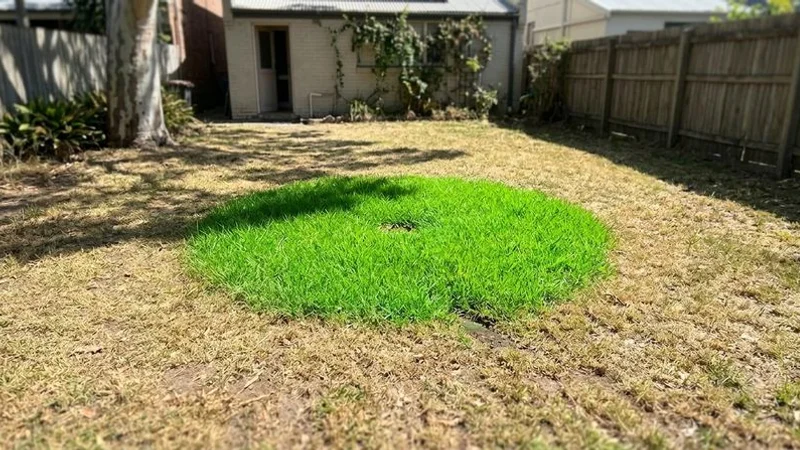
An isolated patch of unusually lush, rapid-growing grass is a major red flag for any property owner.
We love seeing a healthy lawn, but this specific symptom proves that wastewater is actively leaking into your soil. Raw sewage is extremely rich in nitrogen and phosphorus, acting as a highly potent fertiliser. The vegetation directly above a cracked underground pipe absorbs these nutrients quickly.
Our drainage specialists routinely spot secondary signs of underground leakage during site visits. The following symptoms indicate severe moisture issues:
- Soft, boggy ground: Areas in the yard that remain damp and squishy long after the rain stops.
- Depressions and sinkholes: Soil washing away beneath the surface causes the lawn or garden beds to cave in.
- Foundation cracking: Excessive moisture near the building footing leads to structural shifting and concrete fractures.
- Increased insect activity: Mosquitoes, flies, and cockroaches swarm the damp, nutrient-rich soil.
The Hidden Financial Risk
We want to highlight the hidden financial risk of ignoring these underground leaks. If you wait until the pipe fully collapses, traditional excavation requires digging massive trenches through your beautiful landscaping. Recent 2026 industry pricing data shows that surface reinstatement is incredibly expensive.
The Cost of Excavation: Removing and replacing a standard concrete driveway currently costs between $95 and $150 per square metre in Australia. A typical thirty-square-metre driveway excavation will easily add $3,000 to $4,500 to your final plumbing bill.
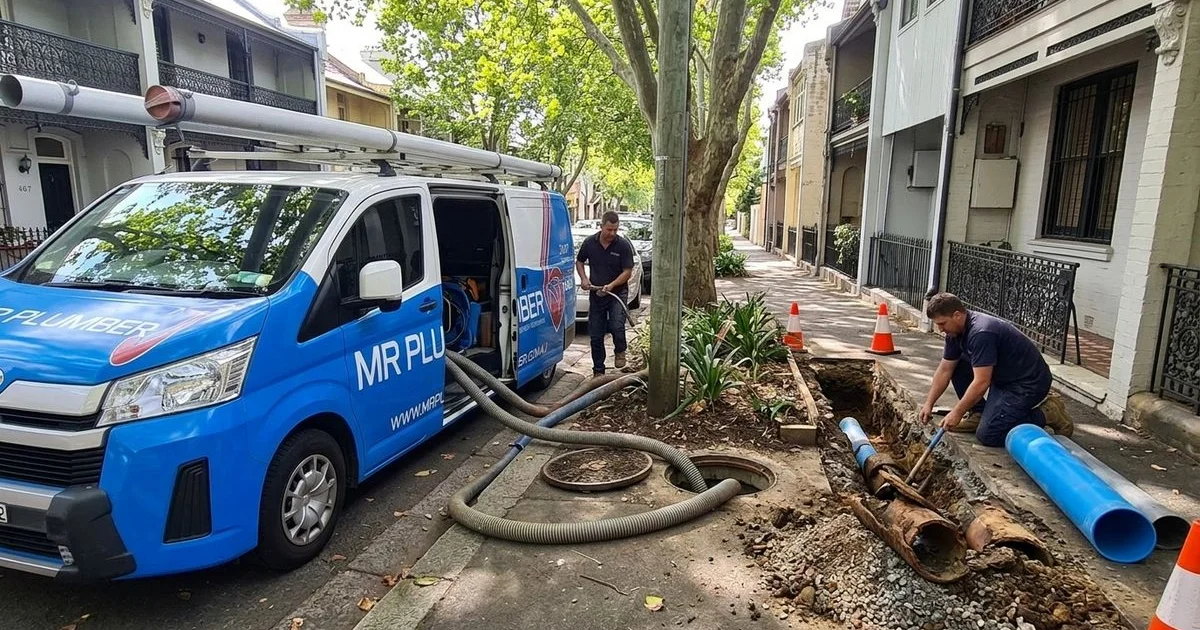
We highly recommend our trenchless technology because it repairs the leak from the inside out. This modern method saves your garden and avoids those massive surface restoration costs entirely.
5. Your Home Was Built Before 1980
Older properties require proactive management of their underground infrastructure.
We advise anyone managing an Australian home or commercial building constructed before 1980 to be highly vigilant. The original drainage network is likely nearing the end of its functional life. Historic materials degrade naturally over decades of continuous use.
Our team highly recommends requesting a Sewer Service Diagram from Sydney Water to confirm your official pipe route. This vital document, which costs around $65, prevents you from accidentally building over a public sewer main.
Pipe Materials by Era
| Era | Common Material | Expected Lifespan | Common Issues |
|---|---|---|---|
| Pre-1940s | Earthenware/clay | 50 to 80 years | Cracking, root intrusion, collapse |
| 1940s to 1970s | Vitrified clay | 60 to 80 years | Rigid joints fail, root intrusion |
| 1960s to 1980s | Asbestos cement (AC) | 40 to 70 years | Deterioration, dangerous fibre release |
| 1970s onwards | PVC | 80 to 100+ years | Generally still sound |
We frequently encounter extensive networks of aging vitrified clay pipes in established suburbs. While the clay itself is highly resistant to chemicals, the rigid mortar joints are incredibly vulnerable to shifting soil. Aggressive tree root penetration destroys these brittle connections over time.
Handling Hazardous Materials Safely
Our safety protocol strictly adheres to the AS/NZS 3500 Plumbing and Drainage Standard regarding hazardous materials. Asbestos cement pipes require specialized, highly regulated handling by licensed professionals. Disturbing these fragile pipes releases toxic fibres into the surrounding environment.
We proudly offer relining as the safest and most compliant solution for AC pipes. The epoxy liner completely encapsulates the hazardous asbestos material without disturbing it, providing a permanent fix.
6. You’ve Had a CCTV Inspection That Shows Damage
A professional camera inspection is the absolute best tool for diagnosing structural plumbing health.
We consider this detailed visual assessment the most important step in preventing a full pipe collapse. If a recent plumber’s investigation reveals internal defects, you are likely experiencing one of the critical signs of impending failure.
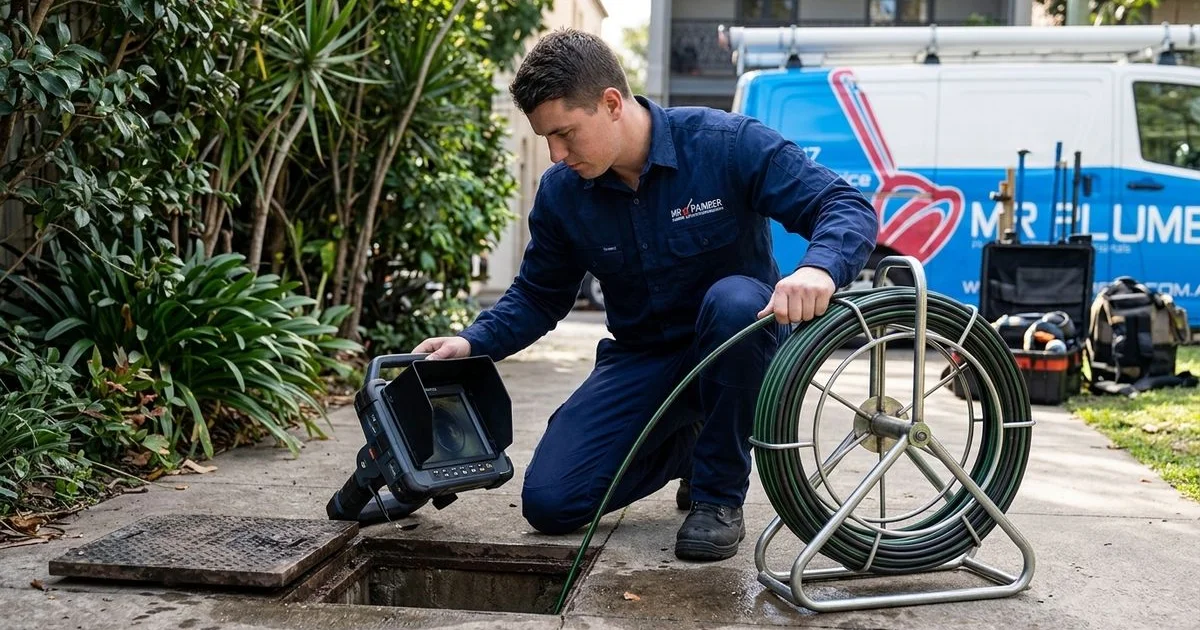
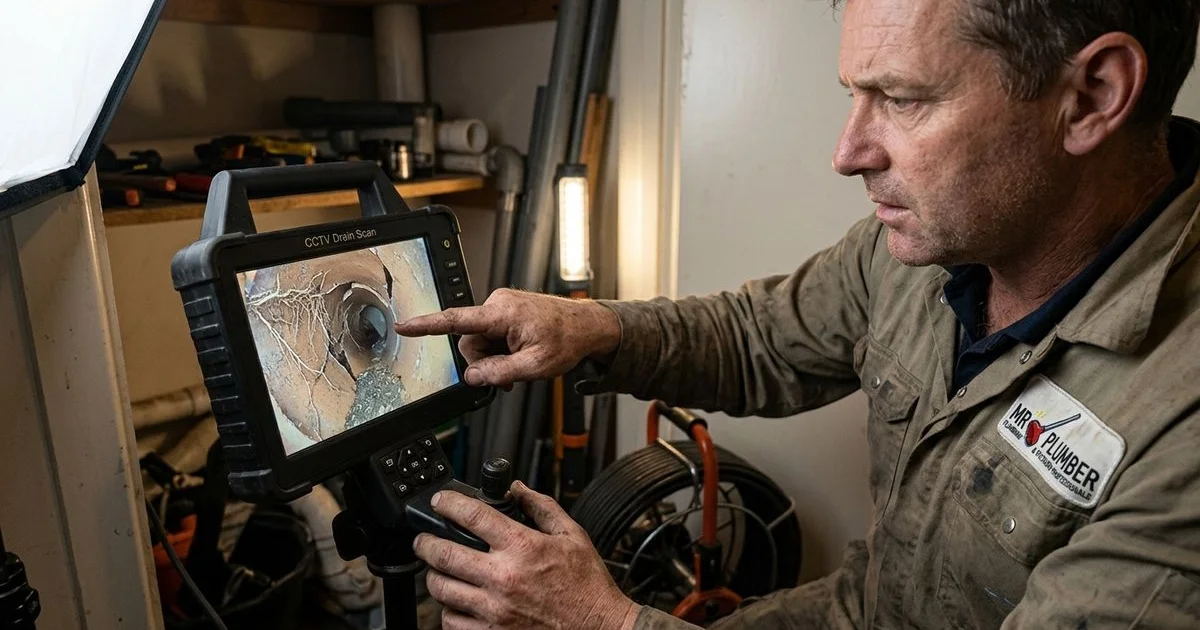
Current 2026 plumbing data shows that a standard CCTV drain inspection typically costs between $250 and $550 across Australia. This small initial investment provides immense clarity, and our licensed technicians use specialized equipment like the RIDGID SeeSnake high-definition camera to capture exact visual evidence.
Identifying Common Internal Faults
The high-resolution footage often reveals several critical issues hiding beneath the surface:
- Cracks or fractures: Visible splitting along the length of the pipe wall.
- Root intrusion: Thick fibrous masses pushing through the sealed joints.
- Joint displacement: Pipe sections that no longer align perfectly.
- Corrosion or scaling: Heavy mineral deposits severely reducing the internal diameter.
- Deformation: Earthenware or PVC losing its original circular shape under soil weight.
We strongly encourage property owners to schedule repairs immediately upon seeing these specific faults. Fixing the damage before a catastrophic failure provides major advantages:
- Total schedule control: You choose when the work happens, minimizing business or family disruption.
- Reduced financial impact: Proactive, scheduled work completely avoids expensive after-hours emergency call-out fees.
- Zero collateral damage: Catching the crack early prevents toxic sewage backups and interior water flooding.
- Time to evaluate: You have the luxury to compare quotes and select the best trenchless solution.
7. The Cost of Waiting
Ignoring a failing pipe only multiplies the eventual repair bill.
We always warn clients that deferring necessary maintenance significantly increases the risk of a messy collapse. Emergency excavations command premium labor rates and often require immediate, unplanned spending.
Cost Comparison by Stage
| Stage | Action | Approximate Cost |
|---|---|---|
| Early signs detected | Proactive relining | $4,000 to $10,000 |
| Recurring blockages | Repeated drain clearing | $300 to $600 each visit |
| Pipe collapse | Emergency repair + water damage | $5,000 to $20,000+ |
| Major failure | Excavation, replacement, restoration | $10,000 to $30,000+ |
Our most satisfied clients are the ones who fixed the underlying fracture before destructive trenching machinery had to be called in. Trenching equipment completely ruins established gardens, expensive paving, and concrete driveways. Modern relining techniques provide peace of mind for decades.
We secure your investment by providing industry-leading guarantees on our trenchless solutions. High-quality epoxy resin installations often come with material warranties of up to 50 years. This incredible lifespan ensures your new pipe outlasts the original structure.
Get Your Pipes Inspected
Maintaining underground pipes is rarely a top priority until something goes drastically wrong. A timely consultation provides clear, upfront options for pipe relining or structural repairs specific to your property layout.
We know that acting on the 6 Signs Your Pipes Need Relining (Before They Collapse) will protect your property and your wallet. Call Mr Plumber on 1800 247 474 to book a comprehensive CCTV drain inspection today.
We guarantee that proactive assessment is always more cost-effective than an emergency excavation.