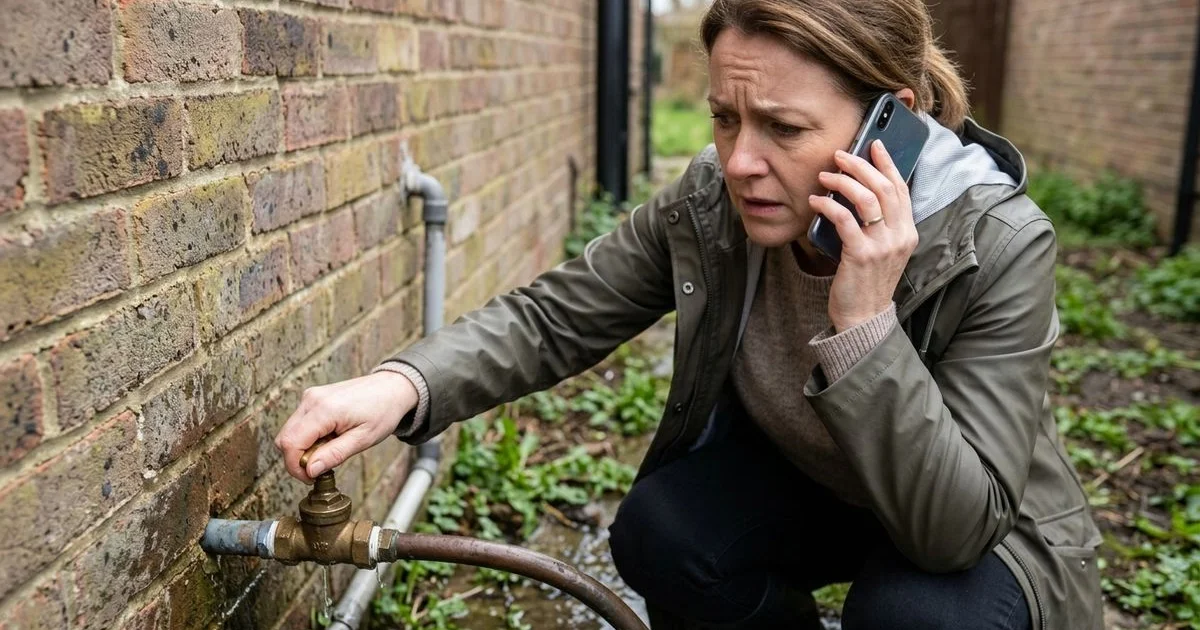
You know exactly how frustrating it is to deal with a plumbing issue you cannot actually see. We frequently see property managers and homeowners dismiss a slight drop in water pressure as standard wear and tear. A hidden water pipe failure beneath your concrete foundation changes that dynamic completely.
Our team compiled this resource on Slab Leak Detection & Repair, a complete guide for Sydney homeowners, to provide immediate clarity. This guide breaks down the specific causes of these subterranean faults and outlines the exact steps required to protect your property.
We guarantee that early intervention minimizes your repair bills.
What Is a Slab Leak?
The foundational construction of many properties across New South Wales built after 1960 relies heavily on poured concrete. We find that builders during that era embedded main supply lines directly within or beneath this solid base to save space and reduce construction costs.
Our technicians routinely discover that these enclosed copper or plastic lines suffer cracks, pinhole faults, or blown joints. Escaping moisture aggressively erodes the supporting soil long before any internal damage becomes visible.
A 3mm hole in a pressurised water pipe can lose over 8,000 litres in a single day, causing rapid saturation of the surrounding sub-grade.
Why Slab Leaks Are Serious
We advise treating a sub-surface pipe failure as an immediate structural emergency rather than a standard plumbing fault. Ignoring the problem quickly leads to cascading property damage.
- Structural foundation damage: Saturated soil expands in clay-heavy zones or washes away in sandy coastal areas, causing severe concrete cracking that often requires $15,000 or more in underpinning work.
- Hidden deterioration: Moisture remains trapped beneath your flooring, allowing massive rot to destroy timber framing over several months.
- High water waste: A continuous pinhole fault easily wastes over 20,000 litres per month, drastically inflating your Sydney Water bill by hundreds of dollars. Our general plumbing inspections catch these faults before they escalate.
- Dangerous mould risk: Migrating dampness creates the perfect breeding ground for toxic Stachybotrys chartarum (black mould) on your skirting boards.
- Escalating repair costs: Delaying action forces you to pay for both complex plumbing repairs and expensive cosmetic renovations.
Common Causes of Slab Leaks in Sydney
Our diagnostic data points to five primary triggers for sub-floor pipe failures across the metropolitan area. Understanding these local risk factors helps you identify problems early and prevent catastrophic property damage.
1. Copper Pipe Corrosion
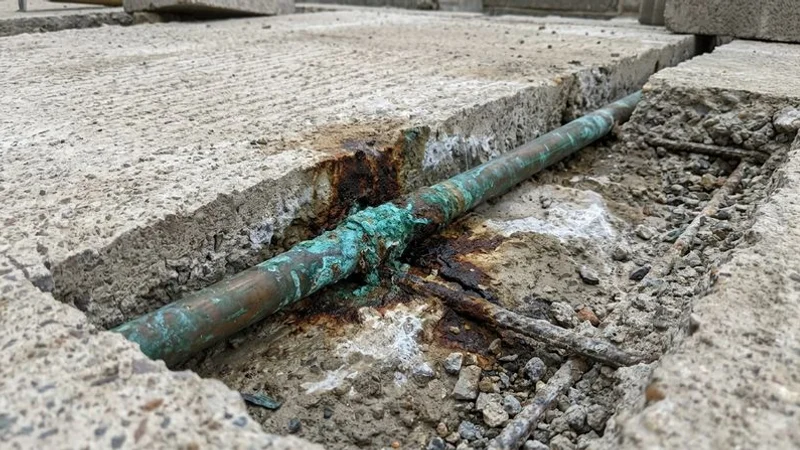
We constantly replace pipes suffering from aggressive pitting corrosion caused by a chemical reaction with the cement over 30 to 40 years. Older residences in the Eastern Suburbs frequently contain unprotected copper lines poured directly into the concrete base.
Our specialists note that Sydney’s slightly alkaline soil conditions accelerate this external wear on bare copper. The metal slowly deteriorates from the outside in until the wall thickness fails under normal mains pressure.
2. Ground Movement
We observe that soil reactivity plays a massive role in plumbing longevity across specific postcodes. The Australian Standard AS2870 classifies areas like Randwick and Maroubra as highly reactive clay zones.
Our local service crews see these soils violently expand during heavy rain and shrink dramatically during summer droughts. This continuous seasonal shifting exerts immense physical stress on embedded joints, eventually tearing the fittings completely apart.
3. Excessive Water Pressure
We frequently measure street mains pressure exceeding 850 kPa in elevated neighbourhoods or areas at the bottom of gravity-fed zones. The Plumbing Code of Australia, AS/NZS 3500, dictates a maximum residential working pressure of 500 kPa.
Our testing shows that this sustained, extreme force hammers older joints and accelerates wear on internal pipe walls. A blowout inevitably occurs when the weakened copper can no longer handle the late-night pressure spikes.
4. Poor Installation Practices
We often find that rushed construction booms led to skipped steps and compromised standards. Builders in the past sometimes laid pipes without applying the mandatory protective lagging or closed-cell foam wrapping.
Our thermal imaging inspections frequently reveal naked copper rubbing directly against sharp aggregate. This creates fatal friction wear every time the pipe expands and contracts with temperature changes.
5. Material Age
We consider any embedded copper system older than 35 years to be operating well beyond its designed safety margin. Plumbing infrastructure has a finite lifespan, regardless of the initial quality or installation method.
Our industry experience shows that homes built in the 1980s are currently hitting the critical failure point for original under-slab piping. Proactive replacement is often cheaper than waiting for a sudden burst.
Signs of a Slab Leak
We highly recommend reviewing our comprehensive guide on 8 signs of a hidden water leak to get a head start on diagnosing these elusive problems. Identifying the early symptoms of a subterranean fault requires vigilance and a basic understanding of your home’s layout.
Our specialists suggest watching for specific indoor indicators to catch a failure early. The following symptoms clearly signal an active leak.
- Warm patches on hard floors: A failing hot water line creates distinct heated zones radiating through your bathroom or kitchen tiles.
- Continuous meter movement: The dial on your water meter spins even when all internal taps and external hoses remain firmly shut.
- Unexplained bill spikes: Your quarterly usage inexplicably jumps by 30% or more without a change in your household routine.
- Damp carpets and musty odours: Moisture wicks up through the concrete, soaking the carpet underlay and generating a strong fungal smell.
- New foundation cracking: Significant stair-step fractures suddenly appear in your exterior brickwork as the saturated ground gives way.
How Slab Leaks Are Detected
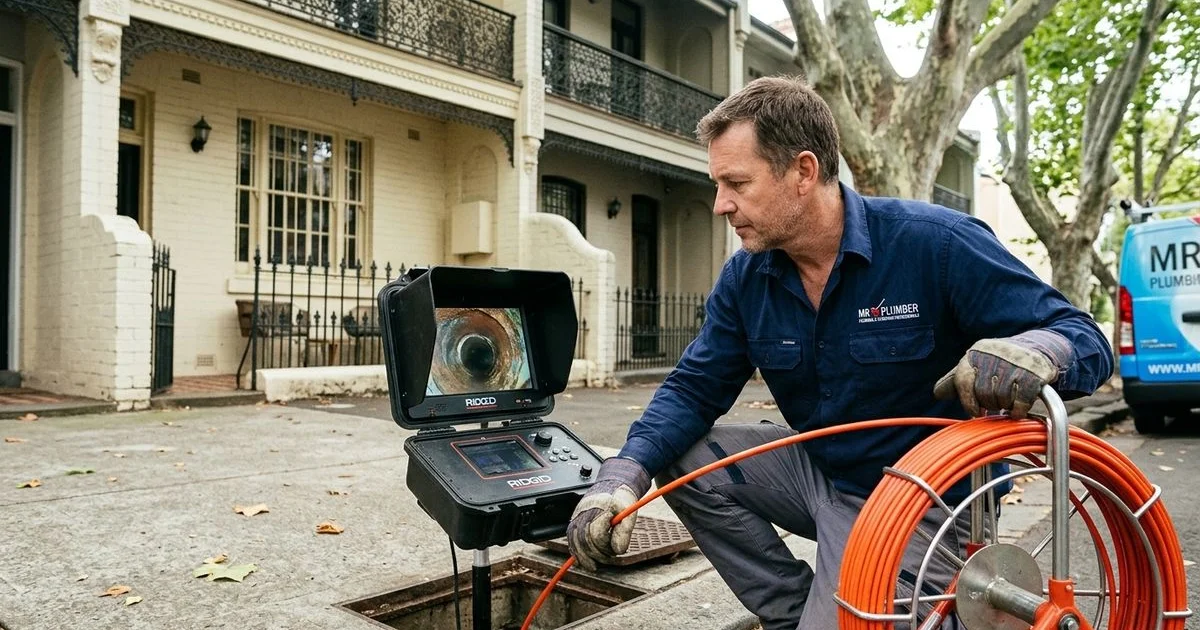
We deploy military-grade diagnostic equipment to find the exact source of a fault without destroying your property. Modern professional leak detection methods completely eliminate the need for random, destructive drilling through your living room floor.
Our technicians rely on four primary technologies to map subterranean pipe layouts. Industry professionals in 2026 use these specific tools to pinpoint hidden faults.
Acoustic Detection
We use advanced ground microphones, like the Sewerin Aquaphon A200, to listen for the distinct hiss of escaping liquid. Sound amplification remains the most reliable method for tracing high-pressure water escapes.
Our trained technicians easily differentiate between background noise and a cracked pipe. This acoustic filtering narrows the fault zone down to a precise 150mm radius.
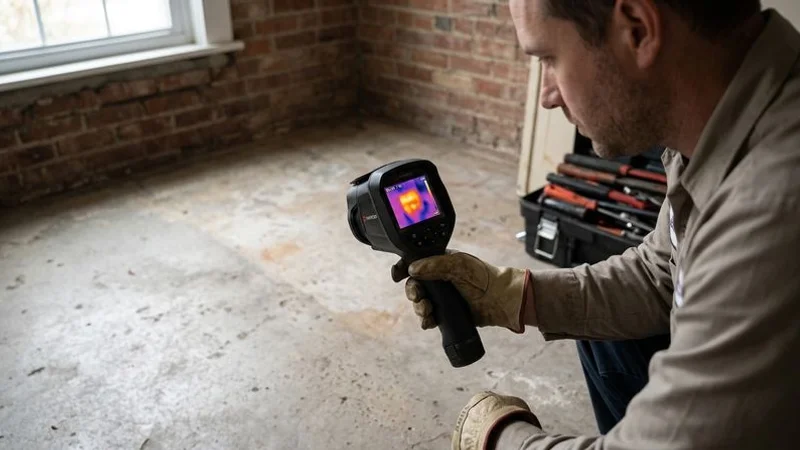
Thermal Imaging
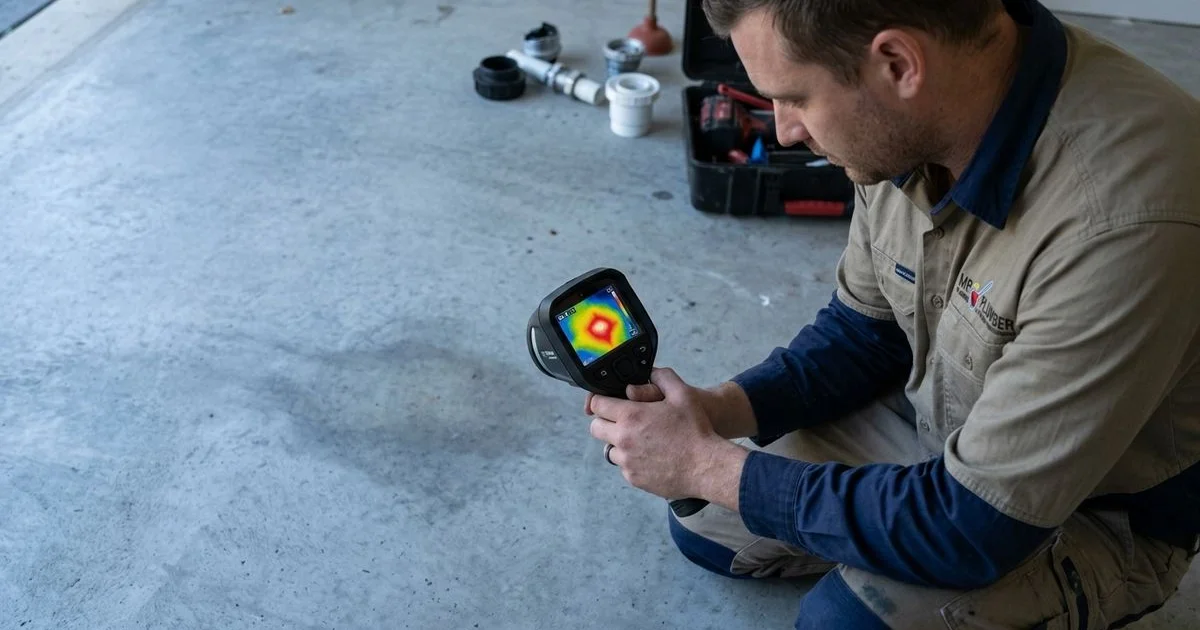
We utilise FLIR E8-XT thermal cameras to instantly map temperature variations across your flooring surface. Infrared technology visualises moisture patterns that the naked eye simply cannot see.
Our scans show a fractured hot water line as a bright red heat bloom on the screen. A cold water fault appears as an expanding dark blue pool spreading beneath the tiles.
Tracer Gas Testing
We drain the affected line and inject an inert forming gas mixture consisting of 95% nitrogen and 5% hydrogen. Gas detection offers a highly precise alternative when acoustic and thermal methods return inconclusive results.
Our sensitive surface sniffers detect the microscopic hydrogen molecules rapidly escaping through the pipe fracture and pushing upward through the concrete. This method easily locates faults even beneath thick commercial epoxy floors.
Pressure Testing
We cap off the main supply, inject pressurised air, and monitor the digital gauge for a rapid drop over a 15-minute window. Isolation testing definitively proves whether a closed plumbing loop contains a breach.
Our technicians isolate specific branches of the property to confine the failure to a single room or fixture line. Finding the correct zone takes the guesswork out of the final repair.
Repair Options
We evaluate the structural condition of your home and the age of the plumbing before recommending a specific fix. Selecting the right intervention depends entirely on your budget, the severity of the damage, and the pipe material.
Our plumbers provide a clear breakdown of the four main strategies available to you in 2026. The table below compares each approach based on cost and effectiveness.
| Repair Strategy | Best Use Case | 2026 Estimated Cost | Primary Disadvantage |
|---|---|---|---|
| Spot Repair (Cut & Fix) | A single, isolated fault in otherwise healthy piping. | $800 to $2,800 | Requires destructive concrete cutting and flooring replacement. |
| Pipe Rerouting | Hard-to-reach faults or pipes showing early signs of widespread failure. | $2,000 to $5,500 | Leaves the old pipe abandoned; requires running new external lines. |
| Full Repipe | Homes over 40 years old with multiple historical leaks and degraded copper. | $6,000 to $18,000+ | High initial capital outlay and requires minor wall patching. |
| Trenchless Relining | Damaged gravity-fed sewer or stormwater drainage lines under the floor. | $1,200 to $3,500 per section | Cannot be used for high-pressure drinking water supply lines. |
Option 1: Spot Repair (Cut and Fix)
We execute direct access repairs by breaking through the concrete exactly where the fault occurred. This targeted approach involves jackhammering a small 400mm square access hole.
Our plumbers then cut out the split copper section and braze in a fresh replacement piece. This fix works well for newer builds, but the surrounding older pipe remains highly vulnerable to future blowouts.
Option 2: Pipe Rerouting (Abandoning the Slab Pipe)
We often recommend bypassing the damaged subterranean section entirely to provide a safer, long-term solution. This process involves disconnecting the compromised line at the manifold and running a fresh PEX-A water line through the ceiling cavity or down an external wall.
Our rerouting strategy completely eliminates the need to destroy expensive internal flooring or cut through thick foundational slabs. Materials like Rehau Rautitan offer superior flexibility and eliminate the risk of future concrete chemical corrosion.
Option 3: Full Repipe
We systematically abandon every single underground water line and install a brand-new, modern plumbing network throughout the roof and walls. A complete infrastructure overhaul provides the ultimate peace of mind for older properties.
Our full replacement service protects the property against future water damage and instantly restores optimal flow and pressure. The high initial capital outlay pays off by preventing repeated leak damage over the next decade.
Option 4: Pipe Relining
We utilise advanced pipe relining techniques to insert a tough, epoxy-resin sleeve directly into your broken sewer drain. Trenchless technology offers an incredible solution for failing wastewater networks.
Our specialized resin cures rock-hard within hours, creating a brand-new structural pipe inside the old one. This permanent fix secures your drainage without a single excavation trench.
Prevention
We encourage property owners to adopt a proactive stance to protect their real estate investments. You cannot reverse decades of chemical corrosion, but you can definitely manage the environmental factors that trigger a burst.
Our 2026 analysis of local service calls shows that homes with regulated water pressure experience significantly fewer pipe ruptures over a ten-year period. The following strategies help manage the environmental conditions that cause early pipe failure.
- Install a pressure-limiting valve: Ensure your plumber fits a 500 kPa limiting valve at the meter to instantly reduce aggressive street pressure.
- Conduct weekly meter checks: Pick a specific day, turn off all taps, and check if the small red dial on your water meter is spinning.
- Monitor billing patterns: Contact Sydney Water immediately to discuss a concealed leak allowance if your quarterly usage jumps drastically.
- Deploy smart leak detectors: Install a Wi-Fi-enabled shutoff valve, like the Flo by Moen, to automatically stop water flow the second an anomaly is detected.
- Book routine inspections: Include comprehensive pressure tests in your annual plumbing maintenance schedule.
Get Expert Slab Leak Detection
We know that uncovering a water failure beneath your living room creates an incredibly stressful situation. Acting fast and engaging a certified technician instantly minimises your repair bills and prevents catastrophic foundational decay.
Our team provided this guide to ensure you have the precise facts needed to respond quickly and confidently. High-quality diagnostics protect your property value.
We are ready to help. Call Mr Plumber on 1800 247 474 today to schedule an advanced leak detection scan for your Eastern Suburbs property.